Fieldhouse Paper Technical Guide

INVENTORY CONTROL

Professional methodologies for managing household food stock. Reduce waste through systematic tracking, zoning, and logistical planning.

Case Study 01

The Expired Milk Incident

Back in 2018, I visited a commercial kitchen in Ottawa where the head chef taught me the "X-Mark" rule. I had been losing money at home because a four-liter jug of milk would hide behind a massive bag of spinach until it turned into a science project. The chef told me: "If you don't know it's there, you don't own it; it's just garbage you haven't thrown out yet."

He explained that most households lose 15-20% of their grocery budget simply because they lack a visual line of sight. We started implementing a "First-In, First-Out" (FIFO) system, moving older items to the front every Sunday evening. It sounds tedious until you realize that three minutes of shuffling containers can save you sixty dollars a month in tossed dairy and wilted greens.
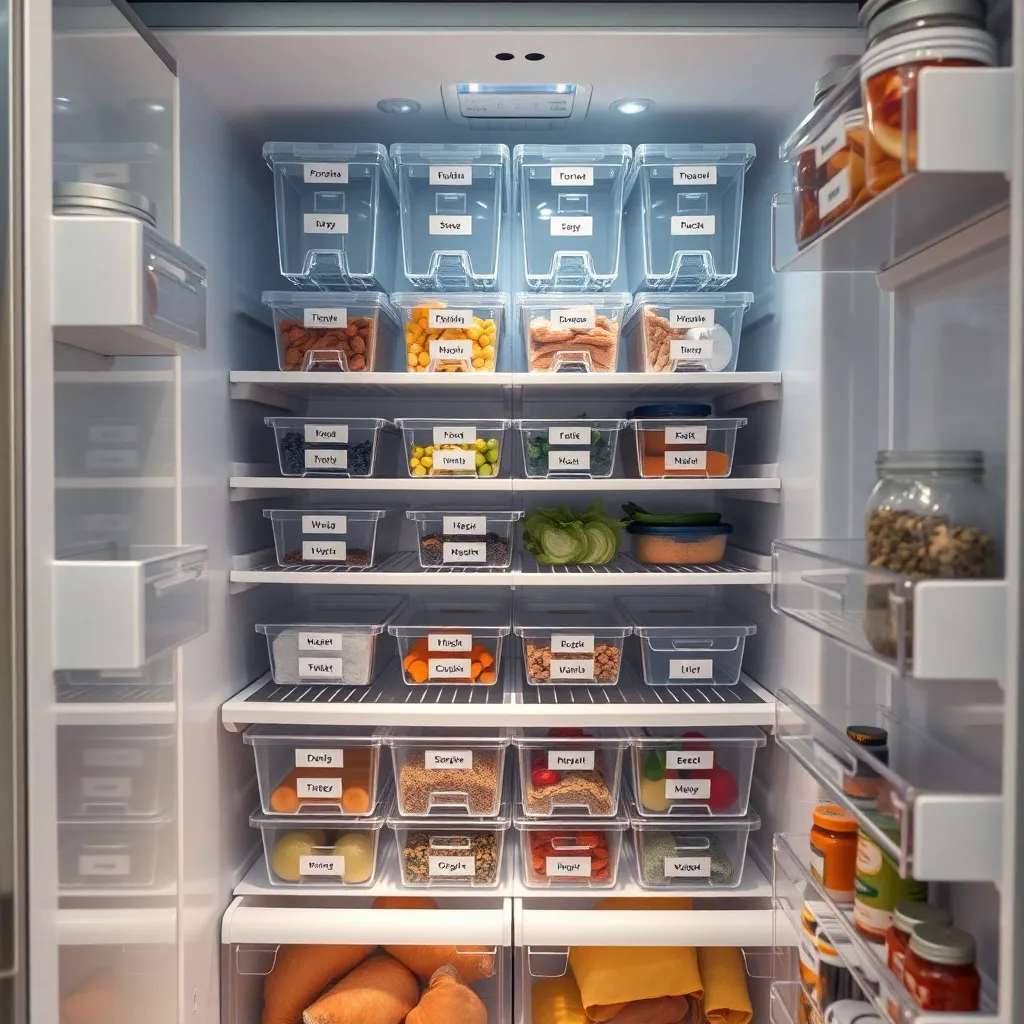
A meticulously organized refrigerator interior with clear bi

Thermal Zoning

Professional inventory requires placing high-risk items like milk and eggs in the coldest zones. Avoid the door racks for perishables; use them only for condiments and high-acid preserves.

Read Bulk Calculations

Decanting Protocol

Transfer dry goods from bags into clear glass or BPA-free plastic containers. This allows for an instant visual audit of stock levels without opening every box in the pantry.

Store Directory

The "Eat First" Bin

Designate one clear bin at eye level for items expiring within 48 hours. This simple visual cue directs all household members to consume these items before opening new packages.

Markdown Timing
"Inventory management is not about buying less; it is about ensuring that every dollar spent actually reaches the dinner plate instead of the green bin."
Logistics 02

Meal Prep Logistics

I once knew a logistics coordinator for a grocery chain who applied the same principles to his Sunday meal prep. He didn't just cook; he "processed" his arrivals. As soon as he got home from the store, he washed, chopped, and stored produce in specific modular containers.

"The bottleneck isn't the cooking," he used to say, "it's the friction of preparation." By removing the friction, you ensure that the ingredients you bought on Monday are actually used by Friday. This logistical approach treats your kitchen like a production line where efficiency is measured by the lack of waste.

Step 1: Intake

Inspect all produce upon arrival. Remove any damaged items to prevent cross-contamination and rot spread.

Step 2: Processing

Pre-portion meats and freeze what won't be used within 72 hours. Label with date and contents.

Refine Your Strategy

Fresh content in your inbox

Once a week we send a digest of the best articles.