I remember a specific February back in 2018 when I walked into a local supermarket in Ottawa looking for fresh bell peppers. The price tag was nearly $9.00 for a three-pack of imported greenhouse peppers that looked slightly shriveled and tasted like nothing but water. It was a wake-up call that sparked my obsession with the local calendar. I realized that by forcing summer flavors into a Canadian winter, I wasn't just paying for the vegetable; I was paying for the jet fuel, the plastic packaging, and the massive carbon footprint required to haul a tomato from Mexico to Ontario in the middle of a blizzard.
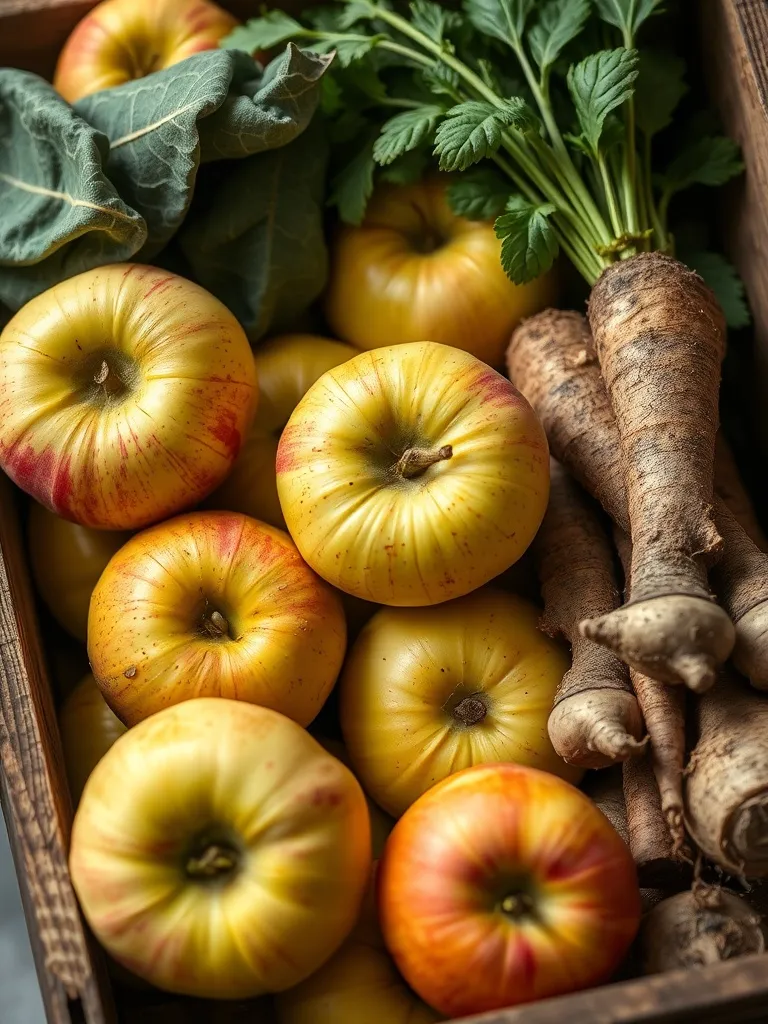
That winter, I started looking at what was actually available in the cold storage bins. I found that Ontario-grown carrots, rutabagas, and onions were priced at a fraction of the cost of imported greens. The "Story of Winter Produce" is really a story of infrastructure—how our farmers bridge the gap between November and May using sophisticated climate-controlled storage. When you buy a local apple in March, you are supporting the technology that keeps it crisp for six months. It changed my entire approach to Inventory Control Techniques, as I learned that local root vegetables could last weeks in my own crisper drawer compared to three days for imported spinach.
Since that realization, my kitchen follows the rhythm of the province. In the dead of January, we aren't chasing salads; we are roasting squash and slow-cooking cabbage. This shift alone dropped my monthly grocery bill by approximately 22%. It requires a change in mindset—moving away from "what do I want to eat?" toward "what is the land currently offering?" This is the foundation of smart Grocery Cost Management in Ottawa.