Project Foundations

The technical reality of grocery budgeting in Canada.

Fieldhouse Paper began as a systematic attempt to solve a simple math problem: why does the same grocery basket cost 40% more in 2024 than it did in 2019? This project documents the transition from casual shopping to a data-driven inventory management approach.

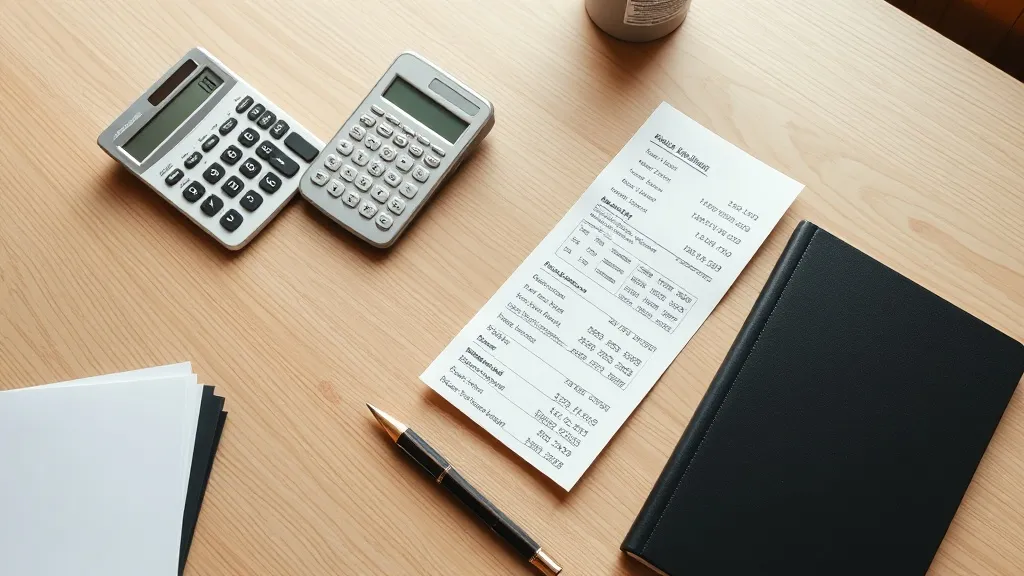
A minimalist, high-angle shot of a clean wooden desk with a

I remember the exact moment the realization hit me. It was a Tuesday evening in late 2015, and I was standing in a supermarket aisle in Ottawa, staring at a block of cheddar cheese that had increased in price by nearly two dollars overnight. At that time, I was managing a household of four on a single income, and the "winging it" strategy was no longer sustainable. I started keeping a ledger, not just for expenses, but for unit prices, tracking the cost per 100 grams across three different retail chains.

"The goal wasn't to eat less; the goal was to stop paying for corporate inefficiency and poor logistics management at the retail level."

Over the next decade, this ledger evolved into a complex spreadsheet, and finally, into the methodology presented here at Fieldhouse Paper. My background isn't in culinary arts or lifestyle blogging; it’s in technical operations. I view a pantry as an inventory system and a grocery list as a procurement order. When you strip away the marketing, grocery shopping is simply a challenge of supply chain management and timing. My experience has taught me that the biggest leaks in a budget aren't the price of bread, but the lack of a centralized inventory control system.

The 3-Store Rule

Established in 2017: No single retailer in Ontario offers the lowest price on all categories. A balanced shop requires a discount grocer for staples, a bulk provider for dry goods, and a loss-leader specialist for produce.

Stockpiling Math

Calculated in 2019: Purchasing non-perishables at a 30% discount yields a higher return on investment than most standard savings accounts, provided the inventory turnover remains under 6 months.

02. Methodology

How we verify price data.

01.

Digital Flyer Scraping

We utilize API-driven data from the three major grocery conglomerates in Canada. This allows us to track weekly price fluctuations in real-time across Loblaws, Metro, and Sobeys-owned banners. By comparing these to third-party flyer aggregators, we identify regional price discrepancies that often go unnoticed by the average consumer.

02.

Unit Price Auditing

Marketing is designed to hide the true cost. Our methodology forces a conversion to a standard unit (usually price per 100g or 100ml). We’ve found that "Bulk Buy" labels in 15% of cases actually result in a higher unit price than standard packaging. Our data points are strictly based on these normalized units to ensure objective comparison.

03.

Loyalty ROI Analysis

Points are not cash. We calculate the "Realized Value" of loyalty programs by subtracting the price premium often paid at high-end grocers from the value of the points earned. For example, our PC Optimum analysis often shows that certain "20x points" events are only beneficial if the base price is already within 5% of the market average.

The Logistics of Savings

In 2023, the average Canadian family of four spent approximately $16,297 on food. Through the application of the Fieldhouse Paper principles, we aim to reduce this baseline by 18-22% without compromising nutritional density. This isn't about extreme couponing—which is largely dead in Canada due to strict manufacturer policies—but about "Strategic Procurement."

We focus heavily on the "Last Mile" of the grocery chain. This involves understanding when specific stores mark down meat (often Tuesday mornings or Thursday evenings) and how to leverage clearance apps like Flashfood. Our research shows that over 30% of household food waste happens because of improper inventory rotation. By treating your kitchen like a warehouse with a "First-In, First-Out" (FIFO) system, you effectively save money before you even leave for the store.

  • Seasonal Indexing: We track the harvest cycles in Ontario to determine the optimal window for freezing and preserving produce.
  • Loss-Leader Mapping: Identifying which items stores sell at a loss to get you in the door, and refusing to buy high-margin items at those same locations.
  • Private Label Comparison: Blind-testing and ingredient-label auditing of "No Name" and "Great Value" products against national brands.

Ultimately, the goal of Fieldhouse Paper is to provide a technical manual for the modern Canadian grocery landscape. We don't believe in "shopping hacks." We believe in data, planning, and a disciplined approach to household economics. By understanding the underlying mechanics of retail pricing, consumers can reclaim thousands of dollars annually.

Frequently Analyzed

Is Costco always the cheapest option?

No. While Costco excels in dairy, bakery, and specific meats, many of their produce items and pantry staples have a higher unit price than discount grocers like FreshCo or NoFrills when those stores have sales. We recommend Costco for specific high-volume items only.

How much time does this system take?

Initial setup of a pantry inventory takes about 3 hours. Weekly maintenance—checking flyers and updating the list—takes approximately 25 minutes. The time spent is offset by fewer trips to the store and less time spent "browsing" for dinner ideas.

Can I use these methods for organic food?

Absolutely. The principles of unit pricing and seasonal buying are even more critical for higher-priced organic items. Buying organic produce during peak Ontario seasons can reduce costs by up to 50% compared to winter imports.

Do you provide personalized meal plans?

Fieldhouse Paper focuses on the procurement and inventory side of the equation. While we discuss efficient food use, our primary expertise is in the financial and logistical aspects of obtaining the ingredients at the lowest possible cost.

Ready to optimize?

Start your inventory audit today.

If you have specific questions about data points or want to share localized pricing from your region in Ottawa, reach out to our research team.

Disclaimer: The published articles on this platform summarize publicly available market information, industry supply chain research, and general educational materials regarding retail logistics. These contents are intended for reference-only purposes and do not constitute professional financial advice, investment recommendations, or legal guidance on consumer rights. Fieldhouse Paper does not guarantee the permanence of any specific retail price or promotion mentioned.