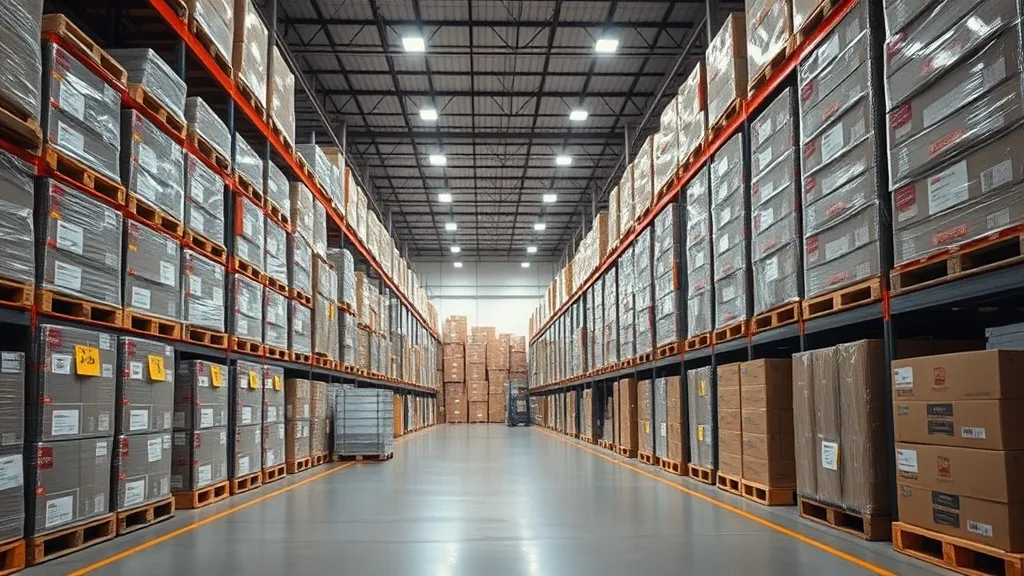
I remember clearly back in 2018 when I walked into the Costco on Merivale Road in Ottawa. I had just upgraded to the Executive Membership, convinced that buying in bulk was the only logical path to financial freedom. I loaded my cart with a 4.5kg jar of pickles and a twin-pack of industrial-sized olive oil, feeling like a master of logistics. "This is how you beat the system," I told my wife as we struggled to fit the haul into our compact SUV. We spent nearly $400 that day, assuming we had secured our food supply for months.
The reality hit three months later. We found ourselves throwing out half the pickles because they had lost their crunch, and the second jug of olive oil had turned slightly rancid in the heat of our small kitchen. That was my first lesson in the hidden costs of bulk shopping. It wasn’t just about the price on the sticker; it was about the rate of consumption versus the shelf life of the product. I realized that a 20% discount on a volume I couldn't finish was actually an 80% waste of money.
This is a common trap in the Canadian grocery landscape. We see the large format and assume value, but we fail to account for the "inventory carrying cost"—a term I learned from a warehouse manager. In your own home, space has a value, and waste has a direct impact on your net savings. To truly win at the bulk game, you have to move beyond the excitement of a full cart and into the cold, hard numbers of consumption cycles.
"The most expensive item in your kitchen is the one you buy at a discount and eventually throw in the green bin. True bulk savings are realized in the pantry, not at the cash register." – Fieldhouse Paper Technical Insight.